
Sun damage does not always announce itself dramatically. It often shows up quietly over the years as a patch of uneven colour here, a cluster of broken capillaries there, or a gradual loss of the skin’s natural clarity.
Intense Pulsed Light therapy, commonly known as IPL, has become one of the most effective tools for addressing these concerns without surgery, needles, or significant downtime.
Broad-Spectrum Light and How It Reaches the Skin
Unlike laser technology, which emits a single concentrated wavelength of light, IPL delivers a broad spectrum of light across multiple wavelengths simultaneously. This is the fundamental clinical distinction between the two technologies. Laser targets one specific chromophore, or light-absorbing target, with precision. IPL uses a wider range of wavelengths, typically between 500 and 1200 nanometres, which can be filtered and adjusted to address multiple targets within the same treatment.
Within the skin, these wavelengths are absorbed by different chromophores. Melanin, the pigment responsible for sunspots and uneven skin tone, absorbs certain wavelengths and fragments as the light energy converts to heat. Oxyhemoglobin, the pigment found in blood vessels, absorbs others, causing vessel walls to break down and be reabsorbed by the body. This dual mechanism makes IPL particularly versatile.
The Conditions That Respond Best to IPL
IPL is clinically established for treating a range of pigmentary and vascular conditions. Sun damage and age spots, which result from accumulated ultraviolet exposure causing localised melanin overproduction, respond very well to IPL treatments. Diffuse redness, rosacea, and visible capillaries improve as the light targets haemoglobin within dilated blood vessels.
Acne can also benefit, as certain IPL wavelengths target the bacteria responsible for inflammatory breakouts while reducing the associated redness. Additionally, IPL stimulates collagen production within the dermis, meaning patients often notice overall improvements in skin texture and firmness alongside the targeted corrections. Hair reduction is another application, though medical-grade laser systems are generally more precise for that specific indication.
What a Course of Treatment Actually Looks Like
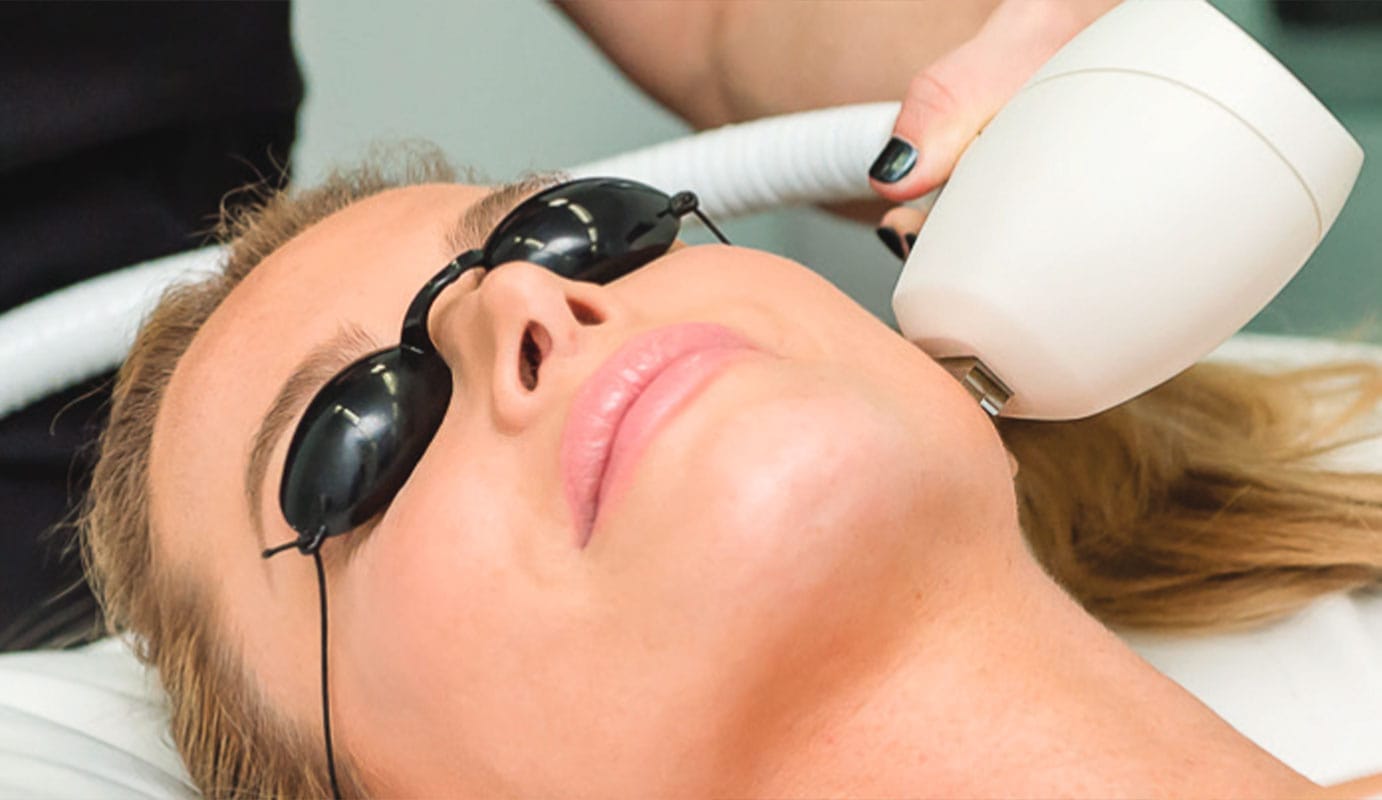
A single IPL session typically lasts between 20 and 45 minutes, depending on the area being treated. During the procedure, a cool gel is applied to the skin, and a handpiece delivers pulses of light across the treatment zone. Most patients describe the sensation as a brief snap of warmth with each pulse, similar to a light elastic band flick.
Results from IPL are not instantaneous. Pigmented lesions often darken temporarily in the days following treatment before they flake off the surface, a process sometimes described as peppering. Vascular improvements tend to be more gradual.
A standard course consists of three to five sessions spaced three to four weeks apart, with maintenance treatments recommended every six to twelve months thereafter to sustain results.
Choosing the Right Candidate for Safe, Effective Outcomes
IPL works best on lighter Fitzpatrick skin types, where the contrast between the target chromophore and the surrounding skin allows for more controlled energy delivery. Treating darker skin tones with IPL requires careful calibration and significant clinical expertise to avoid the risk of hyperpigmentation or surface burns.
Active tans, recent sun exposure, and certain medications that increase photosensitivity are contraindications that a qualified practitioner will screen for during a consultation. When performed by a skilled clinician on the right candidate with appropriate settings, IPL photofacial delivers a meaningful, medically sound improvement in skin clarity and tone.
At Laser Medspa, we make that assessment our starting point, because the right treatment for your skin begins with truly understanding it.